Where a Childhood in the Editing Room Became a Career
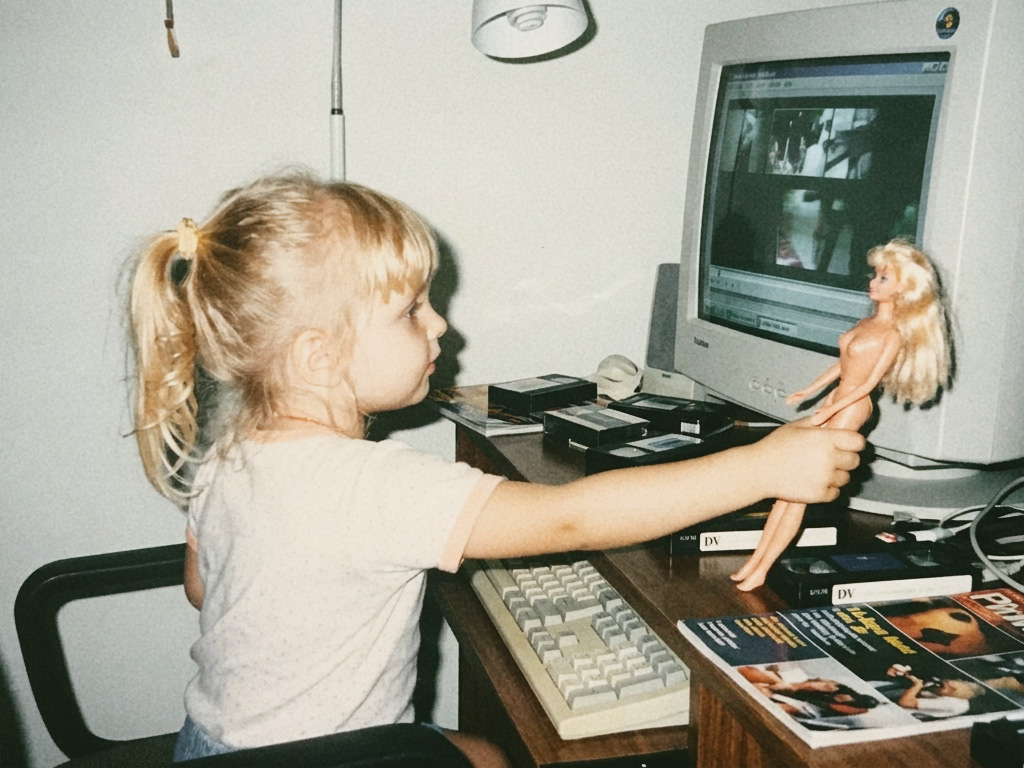
I'm Dariia, the founder and creative eye behind DVora Films. I photograph, film, and edit and if you want to understand why those three things live together in one person instead of three separate vendors, you have to go back to a small room full of monitors, sometime around 2004 in Ukraine city Odesa.
My mother was a director and journalist at a television channel, and when I was small, she'd bring me to work with her. I didn't have a babysitter's corner, fancy toys, just my first and only Barbie my mom could afford with her salary and I had the editing room. I remember sitting there, on a bar stool in the corner, legs too short to reach the floor, watching the video editor work. DV cassettes went in, something extraordinary came out. He cut so fast it looked like sleight of hand, and yet every cut landed exactly where it needed to. He wasn't just quick, he was creative, the kind of creative that makes technical work look like art. I decided, somewhere in that room, that I wanted to be him when I grew up. I didn't know yet that I'd become a photographer and a videographer too. I just knew I wanted to be the person who shaped the story after it was captured.
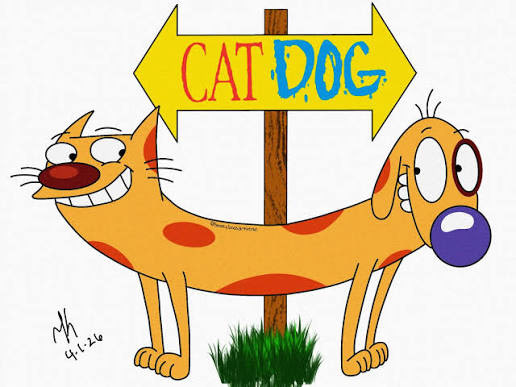
I have one more memory from that same era, less about ambition and more about who I already was. My mother was recording audio for a segment, and I was told to wait outside the studio so the room would stay silent. Technology being what it was in 2004, 'clean audio' meant absolute stillness. I wandered the hallway and spotted down the longest hall in my life for my short legs a door with an image of CatDog. The popular cartoon at the time. I did what any small child would do: I ran for it. What I didn't know was that the door led straight into a live news recording. I have a vivid memory of half the staff sprinting after me to keep the broadcast from finding its way onto national television. Nobody in that hallway will ever let me forget it.
That childhood, equal parts editing room and total chaos, is still the best explanation I have for how I work today. I trained across photography, videography, commercial projects, and television, and I edit in Adobe Premiere Pro, Adobe Audition, After Effects, Photoshop, Lightroom Classic, DaVinci Resolve, and Final Cut Pro. But more than the software, what stayed with me is the instinct: I'm never just taking a picture or rolling a camera. I'm already editing in my head, thinking about how this frame will sit next to the one before it, and the one after.
That instinct shapes how I work with people, too. I once photographed a girl who, in front of the camera, couldn't find her ease. She kept apologizing for herself, second-guessing every angle. So I did what felt right in the moment: I suggested a small glass of vodka I happened to have in my fridge hahah we laughed about nothing in particular, and something in her shoulders finally let go. She became more confident, and the rest of the shoot was some of the most honest, alive work I've done. That's the part of this job nobody teaches you: knowing when the camera isn't the thing that needs adjusting, and being willing to set the technical side down for a moment to actually see the person in front of you.
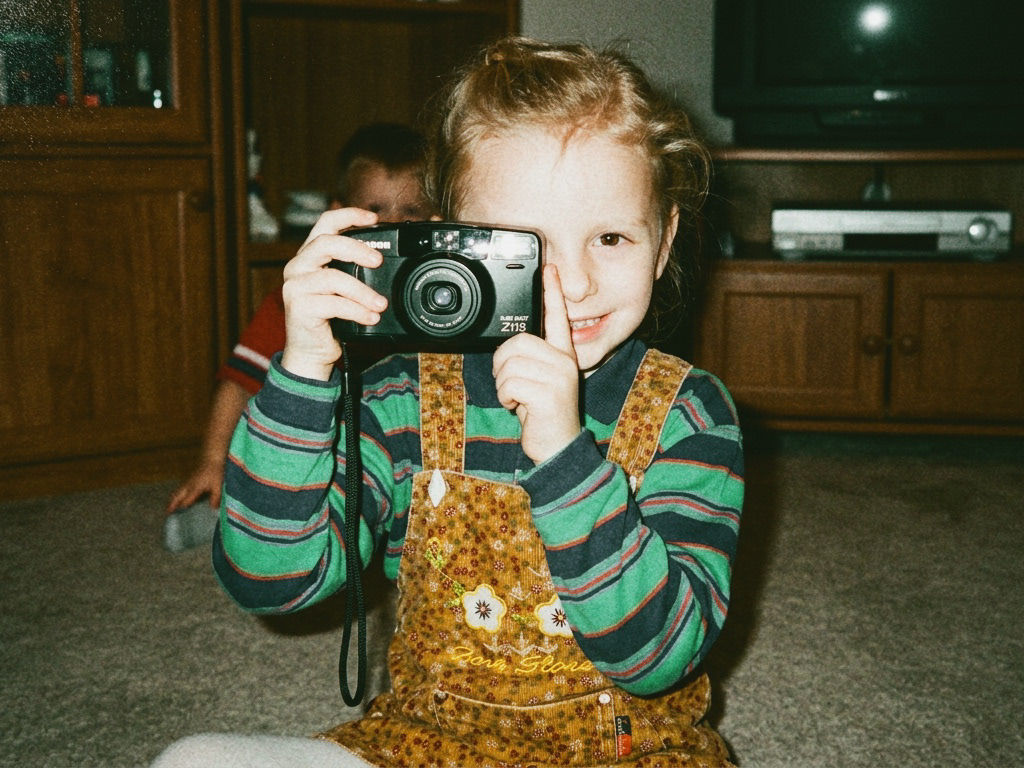
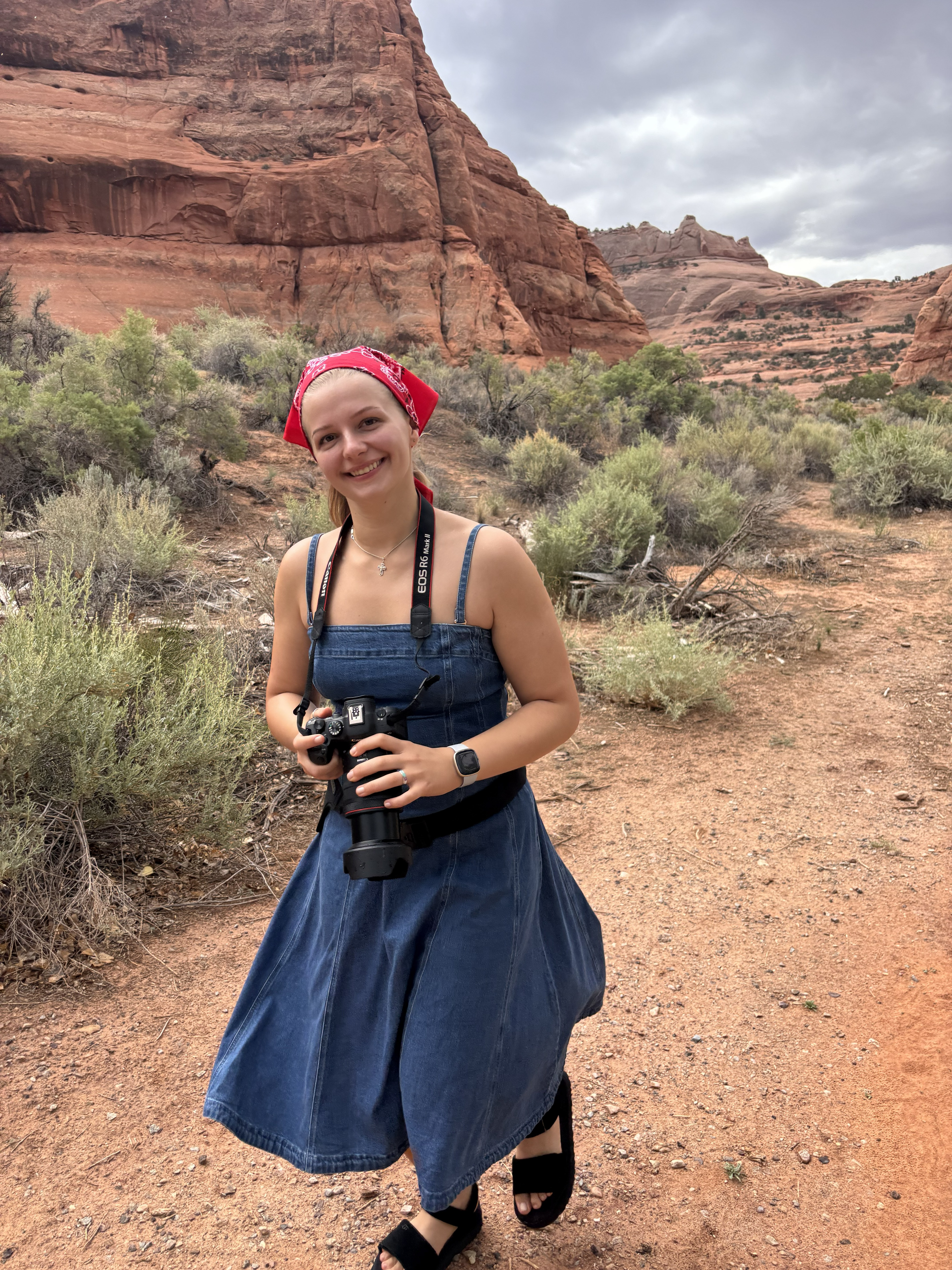
It's a small story, but it says something true about how I work more broadly. Behind every relaxed, easy-looking photograph is usually a decision I made on the spot, to slow down, to read the room, to figure out what a particular person needs before I ever raise the camera again. That's the same instinct I trace back to Europe, where I first built this career. I spent years developing my craft there, including in Germany, learning photography, videography, and editing in environments that demanded precision as much as creativity, television schedules don't wait for inspiration to strike, and neither do clients. I carried that discipline with me when I relocated to the United States, where DVora Films is now based in North Carolina. The warmth is real, but it sits on top of years of technical training and a genuine respect for how much is riding on getting someone's story right. If you're looking for someone who treats your story the way I once watched that editor treat his with speed, precision, and real creative instinct, but also with care for the person on the other side of the lens I'd love to hear what you're working on. Take a look through my work, and let's talk.